Wednesday, October 3, 2018

How to Prevent Diabetes - Part 1

Learn how to prevent diabetes from this video below, titled How to Prevent Diabetes, Part 1:


When the body cannot keep the blood sugar level at its normal level, it may give rise to diabetes. Before this disease strikes, checkout this how to prevent diabetes, part 1, and take a step forward to keep diabetes away.

The How to Prevent Diabetes video series is presented in five parts, Part 1 to Part 5. You may want to see all the videos in the series to get an overall picture of preventing this illness.

Graphics, animation, statistics, background voice-over and simple and straightforward explanation are some of the key traits of the How to Prevent Diabetes video series.

Tuesday, September 11, 2018

Health Benefits of Chickpeas

Health Benefits of Chickpeas

Find out how chickpeas might help you improve your health or maintain good health in the video below:

Health Benefits of Flax Seed

Health Benefits of Flax Seed

Flax seeds are a rich source of omega-3 and other useful content. Get to know more about the health benefits of flax seed from the video below:

Friday, December 12, 2014

Health Benefits of Beetroot


Beetroot is a super vegetable

The health benefits of beetroot places it among the class of super vegetables.  Many research studies have found that beetroot is good for the health.  Its medicinal properties and availability throughout the year are key reasons that would encourage you to make beetroot as a part of your regular diet. Let us find out more about the health benefits of beetroot.

A Brief Overview of Beetroot Health Benefits

Blood Pressure: A research study has found that beetroot juice reduced the blood pressure (BP) in people with high BP who drank one cup of this vegetable’s juice everyday.1

What element of the beetroot lowers the blood pressure? According to the same study, the inorganic nitrate in beetroot helps lower the BP.  The nitrate may relax the blood vessel walls and improve the flow of the blood. 

Dementia: Beetroot may reduce the risk of dementia. It is a brain disease that affects certain brain functions, like thinking and remembering, in old people. A diet rich in nitrate, which is found in beetroot, may stop the progression of dementia.

Bacteria in the mouth convert the nitrate into nitrite.

What does the nitrite do?  A research study found that it improves the blood flow to areas of the brain responsible for analytical and memory functions and that high nitrate diet may fight dementia.2 

Diabetic Neuropathy: It is the damage of the nerves, most likely caused by diabetes. Vegetables like beetroot that have an antioxidant known as alpha-lipoic acid may be a remedy for diabetic neuropathy.

A research study found that pain, numbness and burning or tickling sensation, in neuropathic diabetic patients, reduced with alpha-lipoic acid treatment.3 

Fatty Acids in Liver: Beetroot has bioactive agents, betaine and polyphenols. These agents are said to have properties that protect the liver. A research, conducted on rats found, among others, that beetroot diet decreased fatty acids.4 

Chronic Diseases: Beetroot may prevent chronic diseases. Thanks again to betaine, a compound found in this vegetable. A research study says that “betaine is an important nutrient for the prevention of chronic disease.”5 

Beetroot in South Indian Vegetarian Cuisines

Want to increase the nutritional value of a dish? Add beetroot to it!

Here are some of the cuisines and links to their recipes, at southindianvegrecipes.com, with beetroot as a main or secondary ingredient:

Beetroot Palya: It is also known as beetroot curry and is a side dish that has a best fit with items like chapati and rice. Garnish it with fresh coriander leaves and a few drops of lemon juice. These should take the taste of the food to a new level.

Recipe of Beetroot Palya

http://southindianvegrecipes.com/curry_recipes/beetroot_palya.html


Beetroot Chutney: It is a side dish, which has a good match with items like dosa, idli and chapati.

Recipe of Beetroot Chutney

http://southindianvegrecipes.com/chutney_recipes/how_to_make_beetroot_chutney.html

Here are some of the other cuisines with beetroot as an item:

Sambars: Add beetroot to sambars to give it a special taste dimension.

Salads: How can you use beetroots in salads? Add its gratings to a salad to give it a visual appeal.

Because of the many health benefits of beetroot, make it a regular component of your diet.

References:

1Nitrite & Hypertension, Hypertension, a Journal of American Heart Association, hyper.ahajournals.org 

2 Acute effect of a high nitrate diet on brain perfusion in older adults, Nitric Oxide, sciencedirect.com/science/article/pii/S1089860310004246

3Alpha-Lipoic Acid and Diabetic Neuropathy, The Review of Diabetic Studies, soc-bdr.org

4Liver-protecting effects of table beet (Beta vulgaris var. rubra) during ischemia-reperfusion, Nutrition accessed through the US National Library of Medicine, ncbi.nlm.nih.gov/pubmed/17234508

5Betaine in human nutrition, The American Journal of Clinical Nutrition, ajcn.nutrition.org/content/80/3/539.full

Friday, September 26, 2014

Health Benefits of Onions


The health benefits of onions are many. Research studies have shown that onions may prevent or reduce the risk of some diseases. In additions to its health benefits, onions add to the taste of a range of dishes. Before we find out some answers to the question, “What are the health benefits of onions?” let’s take a look at how onion is used in some Indian vegetarian food.

Onions in Indian Dishes – A Quick Overview

Onions are a common ingredient that many Indians use in their everyday cooking. This vegetable is almost necessary to prepare a seasoning. It is also a main item in dishes like sambars and many of the curries. From masala rice roti to masala dosa curry, rava upma to masala vada, onions are a must-have ingredient in a countless number of Indian recipes.

As raw onions are crunchy and have a special taste, these vegetables are a key part of many of the salads too. These include sprouted moong salad and onion raita.

The links to recipes for some of the dishes that use onions are given at the end of the article.

Onions Health Benefits

It’s now time to take a peek into the medicinal storehouse of onions.  Here is a snapshot of the health benefits of onions:

Diabetes

Onion powder in the diet may help in the management of diabetes. A research study found that 3% onion powder, in the diet fed to diabetic rats, reduced much the high blood sugar or hyperglycemia. The researchers also found a significant decrease in blood cholesterol.

Stomach Cancer

A research study has found that eating allium vegetables like onion may reduce the risk of stomach cancer. The research has found an inverse relationship between the consumption of onions and the incidence of stomach cancer.

Stomach Ulcer

A compound called quercetin found in onions are said to aid the healing of stomach ulcers. This compound, among others, is believed to reduce the start of cancerous tumors.

Osteoporosis

Onions are said to prevent the breakdown of bones and, therefore, reduce the risk of osteoporosis.

Chronic Prostatitis

Thanks again to quercetin, the wonder compound found in onions. Because of its anti-inflammatory properties, quercetin is said to decrease inflammation in the prostate.

Vascular Disease

Certain quantity of white blood cells may thicken the artery wall, resulting in the arteriosclerotic vascular disease (ASVD).  A research study has found that onion extract may reduce the risk of ASVD, because of the extract’s anti- arteriosclerotic effect.

Cataract

According to The Free Dictionary, cataractogenesis is “the process of cataract formation.” Onions, through their compounds quercetin, may reduce the risk of cataractogenesis.

Because of the health benefits of onions, you would want to make it a part of your everyday diet and reduce the risk of some diseases.

Here are the links to some of the recipes that have onions as an ingredient:

Sambar Recipe for Idli

http://southindianvegrecipes.com/sambar_curry_recipes/sambar_recipe_for_idli.html 

Masala Dosa Curry

http://southindianvegrecipes.com/curry_recipes/how_to_make_potato_curry.html

Onion Curry

http://southindianvegrecipes.com/curry_recipes/onion_curry.html 

Chawal ki Roti

http://southindianvegrecipes.com/rice_recipes/chawal_ki_roti.html 

Masala Vada

http://southindianvegrecipes.com/snacks_recipes/masala_vada.html

Vegetable Upma

http://southindianvegrecipes.com/rava_recipes/vegetable_upma.html

Onion Raita

http://southindianvegrecipes.com/salad_recipes/onion_raita.html

Onion Samosa

http://southindianvegrecipes.com/snacks_recipes/onion_samosa.html 

Onion Pakoda

http://southindianvegrecipes.com/snacks_recipes/how_to_make_onion_pakoda.html

Onion Chutney

http://southindianvegrecipes.com/chutney_recipes/how_to_make_onion_chutney.html

References

Influence of dietary capsaicin and onion on the metabolic abnormalities associated with streptozotocin induced diabetes mellitus, Molecular and Cellular Biochemistry, link.springer.com/article/10.1023%2FA%3A1006881027166

Consumption of onions and a reduced risk of stomach carcinoma, Gastroenterology, gastrojournal.org/article/S0016-5085%2896%2900015-7/abstract

Onions – Phytochemical and Health Properties, www.onions-usa.org

A γ-Glutamyl Peptide Isolated from Onion (Allium cepa L.) by Bioassay-Guided Fractionation Inhibits Resorption Activity of Osteoclasts, Journal of Agricultural and Food Chemistry, pubs.acs.org/doi/full/10.1021/jf040457i

Current treatment options in the management of chronic prostatitis, Therapeutics and Clinical Risk Management, accessed through the US National Library of Medicine, ncbi.nlm.nih.gov/pmc/articles/PMC2374945/

Onion extract (Allium cepa L.), quercetin and catechin up-regulate paraoxonase 1 activity with concomitant protection against low-density lipoprotein oxidation in male Wistar rats subjected to oxidative stress, Journal of the Science of Food and Agriculture, onlinelibrary.wiley.com/doi/10.1002/jsfa.6620/abstract

medical-dictionary.thefreedictionary.com/cataractogenesis

Quercetin inhibits hydrogen peroxide-induced oxidation of the rat lens, Free Radical Biology & Medicine, accessed through the US National Library of Medicine, ncbi.nlm.nih.gov/pubmed/

Monday, July 7, 2014

Ginger Health Benefits | How to use Ginger

Ginger is a storehouse of medicinal values


The ginger health benefits are many. It is an herb, which plays two roles: as a flavoring agent and natural medicine. It is usually available throughout the year and costs less, in season, than some of the other herbs.  All these reasons should tempt you to know the ginger health benefits.

Ginger is used in, among others,  some Ayurvedic medicines. From indigestion to cold, stings to arthritis, ginger is said to be used as a treatment for a range of diseases. 

Brief Overview of the Ginger Health Benefits

Reduces Menstrual Pain

Dietary ginger may reduce painful menstrual cramps, a research study has found.1

Reduces Blood Pressure

A team of Thailand researchers found that the extract of cassumunar ginger, a type of ginger, has the potential to reduce the mean arterial blood pressure.2

Relieves Migraine

Ginger powder may significantly reduce headache. The team of researchers who found this ginger trait says that the adverse side effects of ginger powder were less than that caused by sumatriptan, a drug used in the treatment of migraine.3

Prevents Injury to Liver

Medicines such as acetaminophen or Tylenol, a painkiller, may also have an association with “chemically-driven liver damage”. A research study has found that ginger can prevent such damage.4

Relieves Asthma Symptoms

Ginger, the wonder herb, may reduce asthma symptoms.  Thanks to the three ginger constituents 6-gingerol, 8-gingerol and 6-shogaol. These constituents with asthma therapies, such as β-agonists, may give more relief of asthma symptoms.5

Works as a Part of Therapy for Ovarian Cancer

The researchers at the University of Michigan, Comprehensive Cancer Center, found that ginger powder was able to cause the death of ovarian cancer cells.  Further, the research study revealed that ginger might be able to reduce the resistance of cancer cells to cancer treatment like chemotherapy.

According to the researchers, ginger was able to kill the cells in two ways. 1.  Apoptosis, which is the outcome of the cells killing themselves. 2. Autophagy, “results from cells digesting or attacking themselves.”6

Reduces Muscle Pain caused by Exercise

Raw ginger may be an answer to reduce the muscle pain caused by certain exercises, according to a research study. The researchers of this study say that “Daily supplementation with ginger reduced muscle pain caused by eccentric exercise…”7

Now that you are aware of some of the ginger health benefits and you know how to use ginger, you may want to make it a part of your regular diet to reap the advantages this herb offers.  As always, consult your physician before you begin to consume ginger for medical reasons. 

Ginger in Indian Dishes – A Quick Glance

Many Indian dishes recipes have ginger as their common ingredient.  The rice dishes like chitranna or lemon rice, methi pulao, palak pulao and ghee rice have this herb as an item.  It is used in a number of curries too. Many types of chutneys, for example, coconut chutney, have ginger as an ingredient.

What about the dishes prepared with ginger as the main item? The cuisines that are in this class include ginger chutney and ginger pickle.

It is common to add the pieces of a crushed ginger to buttermilk to not only give it a flavor, but also to add to its medicinal values.

Some herbal juices also have ginger as a key item.

“How to use ginger?” is a question some first-time users of this herb have.  Ginger chops, paste and crushed pieces are some of the forms you can use, depending on the type of dish you are preparing.  For instance, ginger paste is used in making ghee rice; ginger chops are used in preparing chitranna or lemon rice.

Dry ginger powder is also used in some dishes like Kanchipuram idli.

Here are the recipes, at www.southindianvegrecipes.com, for the dishes mentioned above and that uses ginger.  Copy the URL / address in the second column of the table below and paste it in your address browser bar:

Dish Recipe at
Chitranna / Lemon Rice southindianvegrecipes.com/rice_recipes/chitranna.html
Methi Pulao southindianvegrecipes.com/rice_recipes/methi_pulao.html
Palak Pulao southindianvegrecipes.com/rice_recipes/palak_pulao.html
Ghee Rice southindianvegrecipes.com/rice_recipes/how_to_make_ghee_rice.html
Coconut Chutney southindianvegrecipes.com/chutney_recipes/how%20to%20make%20coconut%20chutney.html
Butter Milk southindianvegrecipes.com/miscellaneous_recipes/how_to_make_butter_milk.html

References: 

1Comparison to assess the effectiveness of active exercises and dietary ginger vs. active exercises on primary dysmenorrhea among adolescent girls, Nursing and midwifery research journal, http://medind.nic.in/nad/t13/i4/nadt13i4p168.pdf

2Potent antihypertensive activity of Thai-Lanna medicinal plants and recipes from “MANOSROI III” database, Pharmaceutical Biology accessed through Informa Healthcare, informahealthcare.com

3Comparison Between the Efficacy of Ginger and Sumatriptan in the Ablative Treatment of the Common Migraine, Phytotherapy Research accessed through Wiley Online Library, onlinelibrary.wiley.com/doi/10.1002/ptr.4996/abstract

4Hepatoprotective, Antioxidant, and Ameliorative Effects of Ginger (Zingiber officinale Roscoe) and Vitamin E in Acetaminophen Treated Rats, Journal of Dietary Supplements accessed through Informa Healthcare, informahealthcare.com

5Active Constituents Of Ginger Potentiate -Agonist-Induced Relaxation Of Airway Smooth Muscle, American Thoracic Society International Conference Abstracts accessed through ATSJournals, atsjournals.org

6Ginger causes ovarian cancer cells to die, U-M researchers find, University of Michigan, Comprehensive Cancer Center, cancer.med.umich.edu/news/gingerovarian06.shtml

7Ginger (Zingiber officinale) Reduces Muscle Pain Caused by Eccentric Exercise, The Journal of Pain, jpain.org/article/S1526-5900%2809%2900915-8/abstract

Friday, April 18, 2014

What are the Benefits of Garlic?

Garlic is said to be a storehouse of medicinal values

 If you have the question, “What are the benefits of Garlic?” then the answer is, “many”.  Yes, that’s right.  Garlic the humble, natural ingredient used in everyday cooking is a storehouse of medicinal values.

In the medical field, particularly in the alternative medicine area, garlic is considered as a super food.  A number of research studies stand proof to the advantages of garlic.

You have heard the saying, “an apple a day, keeps the doctor away.”  For garlic, the statement can be, “garlic keeps sickness away.”

How is garlic used in cooking?  A common use of garlic is that it is used in seasoning. Its paste is used for preparing some curries and rice items.

Some of the dishes in which garlic is the main item are garlic chutney, garlic pickle and garlic chutney powder.

Do you want the recipe for garlic pickle?  Here it is:

http://southindianvegrecipes.com/pickles_&_pappads/garlic_pickle.html

For buttermilk also, raw garlic is added to make it spicy.

Here is the recipe, posted at www.southindianvegrecipes.com, for buttermilk:

http://southindianvegrecipes.com/miscellaneous_recipes/how_to_make_butter_milk.html

To a lesser extent, and mainly as a medicine, garlic is consumed in its raw form.

Garlic has a lot of water content. Every 100 grams of raw garlic has approximately about 59 grams of water.

In the mineral category, calcium is abundant in garlic.  Do you want to get Vitamin C in its natural form?  Then, you might want to make garlic as a regular part of your diet. The reason is this vegetable has a lot of Vitamin C too.

Here is more good news: Garlic has zero cholesterol.

Here are the points that are some answers to the question, “What are the benefits of garlic?”

Allicin, the Wonder Compound

Allicin is obtained by crushing garlic cloves. This compound is said to be a remedy for a number of diseases. Allicin, for example, is said to cure some stomach-related illness, prevent weight gain, lower blood pressure, improve blood circulation and prevent the growth of cancer cells.

To get the best results from allicin, the crushed garlic should be mixed immediately in the appropriate food and it also should be consumed immediately.

Natural Antibiotic

A research study has found that a compound found in garlic, diallyl sulfide, is a very powerful element that may fight diseases caused by food.

Antioxidant

Garlic is said to protect cells from damage and might prevent some cancers.

Heart Disease

A research study makes a mention of other research studies and says that such work have shown “an inverse correlation between garlic consumption and progression of cardiovascular disease.” So, garlic may reduce the risk of heart diseases.

Natural Antiseptic

The antimicrobial properties of garlic may help in the healing of wounds.

Food preservative

A research work has shown that garlic may work as a food preservative.  It’s not a surprise then that, in India, many add garlic, for example, to pickles to increase their shelf time.

Cold and Flu

The consumption of garlic may prevent the symptoms of cold and flu.  One research study says that garlic does this by “immune enhancement”.

Because you now have a few answers to the query, “What are the benefits of garlic?” and that it is not costly at all, relative to other vegetables, you may want to use this herb on a daily basis to give flavor to the food, and more importantly for the health advantages of garlic.

References:

1. Antimicrobial effect of diallyl sulphide on Campylobacter jejuni biofilms, Journal of Antimicrobial Chemotherapy, jac.oxfordjournals.org
2. Antimicrobial screening of some indian spices, Phytotherapy Research, onlinelibrary.wiley.com
3. Garlic and Cardiovascular Disease: A Critical Review, The Journal of Nutrition, jn.nutrition.org/content/136/3/736S.full
4. Clarifying the Real Bioactive Constituents of Garlic, The Journal of Nutrition, jn.nutrition.org/content/136/3/716S.full
5. Allium sativum and its health benefits: An overview, Journal of Chemical and Pharmaceutical Research, jocpr.com
6. U.S. National Nutrient Database

Friday, January 17, 2014

Health Benefits of Carrots

Carrot halwa is one of the carrot recipes

The health benefits of carrots are many.  It is no surprise then many use carrots as a cooking ingredient, almost on a daily basis.  This vegetable is used in a variety of food, ranging from sweet dishes to curries, sambars to salads.  One of the mouth-watering sweet dishes made from carrot is carrot halwa.  The link to the recipe of carrot halwa is given at the end of this post.   From the taste and the health views, carrots get a top score.  Here is a quick overview of the health benefits of carrots:

Rich source of Vitamin A: It is necessary, among others, for eye health and strengthening the immune system.

Types of Vitamin A: The two types are:

1.  Preformed Vitamin A: Available in meat
2.  Provitamin A: Found in vegetables and fruits as beta-carotene.

Which food has Vitamin A?  Many vegetables and fruits have Vitamin A in its natural form.

The three vegetables that have the highest amount of Vitamin A, in the ascending order, are:

1.  Sweet potato
2.  Spinach
3.  Carrot

Other vegetables and fruits that have Vitamin A include broccoli, capsicum, pumpkin, cantaloupe and raw mangoes.

Carrot also has fiber, which helps in digestion.  This vegetable also has, among others, Vitamin C.

Cardio Vascular Disease:  Many research studies have proved that a strong link exists between consuming much fruits and vegetables, including carrots, and cardio vascular health.

Carrot juice is said to be good for the heart

A research study says that, “Drinking carrot juice may protect the cardiovascular system by increasing total antioxidant status…1

Cancer:  Research studies have shown that the antioxidants, including, beta-carotene, alpha-carotene, caffeic acid and cyanidins, in carrots, might work as an anti-cancer agent.  It may prevent lung, prostate and other cancers.

Blood sugar levels:  Carrots may help regulate blood sugar levels.  Thanks again to the antioxidants in carrots.

TIP: Eat baby carrots, as a snack, if you feel hungry between meals.  Such carrots could be a great substitute, for example, for snacks made from deep frying in oil.  Do remember to thoroughly wash the carrots before you eat them.

Here is the link for info on how to prepare carrot halwa: 

southindianvegrecipes.com/sweets_recipes/how_to_prepare_carrot_halwa.html

References:

Dietary Supplement Fact Sheet: Vitamin A, ods.od.nih.gov/factsheets/VitaminA-HealthProfessional/#h7
Antioxidants and Cancer Prevention, cancer.gov/cancertopics/factsheet/prevention/antioxidants
1Drinking carrot juice increases total antioxidant status and decreases lipid peroxidation in adults, Nutrition Journal, nutritionj.com/content/10/1/96

Sunday, November 17, 2013

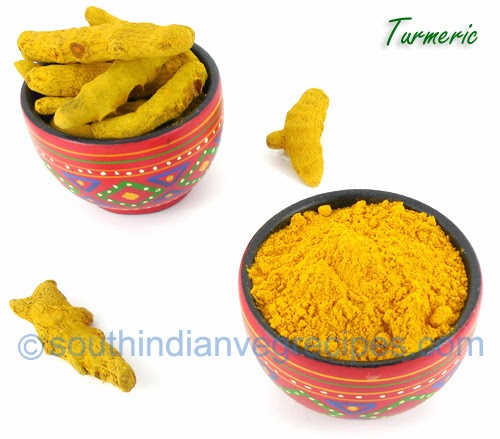
What are the Benefits of Turmeric?

Turmeric has many Medicinal Properties

You may have the question, “what are the benefits of turmeric?”, if you want to use turmeric, or are already using it, in cooking.  Turmeric is a spice traditionally used in Indian cooking to give flavor and color to the food.  In fact, this spice has excellent value more for the outstanding health benefits it offers.

Quick Overview of the Turmeric Health Benefits

Prevention of blood clots:  Turmeric has the ability to prevent platelets from joining together.  This spice thus could be an answer to keep blood clots at bay.

Prevention or Cure of Arthritis: A research study found that turmeric significantly prevented joint inflammation and destruction.

Remedy for Ulcerative Colitis:  It is a digestive tract disorder.  The findings of a research work conclude that “Curcumin seems to be a promising and safe medication for maintaining remission in patients with quiescent UC (ulcerative colitis)...”

Strengthens the Immune System:  Turmeric may control or prevent diseases, such as diabetes, cancer, Alzheimer’s disease, allergy and asthma.  The positive effects of curcumin on health may be partly because of its power “to modulate the immune system”.  Curcumin could be used as a medicine in the treatment of the disorders of the immune system.

Treatment for Common Ailments: Turmeric may help in the healing of simple wounds and closing of minor cuts.  This spice could also be a home remedy for health problems like sore throat, and cold.  Turmeric may help in flushing out worms in the stomach.

Cosmetic Aid:  Turmeric may enhance the glow of the skin and help maintain its health.

Turmeric in Indian Cuisines

Turmeric is used in the powder form in Indian dishes.  The powder is made from the roots of the turmeric plant.  From aloo sabzi to chitranna, ribbon pakoda to masala dosa curry, murukku to sev, turmeric powder is a key ingredient of not only these dishes, but also of a number of other Indian cuisines.

You may want to use turmeric roots while preparing a masala powder.  What is an advantage of using such roots?  These will produce home-made turmeric powder that is pure.

If you buy turmeric powder choose a reliable brand, because turmeric powder from unreliable sources may be adulterated.

The sweet preparations like obbattu, holige, bobbatlu, or puran poli also has turmeric powder as an ingredient.

Turmeric is usually added while preparing the seasoning for a food.  Or, this spice may be added while boiling food, such as when cooking, say dal.  Does frying or boiling turmeric destroy its curative properties?  A research result says that these cooking methods might not harm the health traits of turmeric.

An exceptional compound in turmeric that prevents or treats diseases is curcumin.  Its value is so high that the authors of a research study call it as the “Indian Solid Gold.”

Now that you have a few answers to the question, "what are the benefits of turmeric?" you may want to use this spice in cooking and take advantage of its medicinal properties.

References:

Turmeric and its Principle Compound Curcumin are Effective in the Prevention and Treatment of Arthritis, Polyphenols in Human Health and Disease, sciencedirect.com/science/article/pii/B978012398456200061X

Curcumin: The Indian Solid Gold, Advances in Experimental Medicine and Biology, link.springer.com/chapter/10.1007%2F978-0-387-46401-5_1

Curcumin Maintenance Therapy for Ulcerative Colitis: Randomized, Multicenter, Double-Blind, Placebo-Controlled Trial, Clinical Gastroenterology and Hepatology, cghjournal.org/article/S1542-3565%2806%2900800-7/abstract

“Spicing Up” of the Immune System by Curcumin, Journal of Clinical Immunology, link.springer.com/article/10.1007%2Fs10875-006-9066-7

Traditional Indian spices and their health significance, Asia Pacific Journal of Clinical Nutrition, apjcn.nhri.org.tw/server/APJCN/17%20Suppl%201/265.pdf

Turmeric, University of Maryland Medical Center, umm.edu/health/medical/altmed/herb/turmeric

Efficacy and mechanism of action of turmeric supplements in the treatment of experimental arthritis, Arthritis and Rheumatism, onlinelibrary.wiley.com/doi/10.1002/art.22180/abstract

Tuesday, November 5, 2013

Ragi Health Benefits | How to Sprout Ragi


Click the image above to see a video on how to prevent diabetes


Ragi is Great for Health

Do you make dishes from ragi?  If you are not making then you should, if you wish to reap the many ragi health benefits.  The links to recipes of dishes made from ragi are given at the end of the post.  Ragi in English is finger millet.  It is also known as, among others, kelviragu, kooragu, marwa, nachani or mandika. Ragi is indeed a divine gift to this world.  The ragi health benefits should make you to include the food prepared from it in your everyday diet.

Here are just a few health benefits of ragi:

Excellent Source of Calcium: If you drink milk to benefit from the calcium it provides, or you do not drink milk at all, then you may want to switch to ragi as it rich in calcium.  It is necessary for bone health.

Milk, as a source of calcium, is a dairy product.  An excessive consumption of such product(s) may actually be counter-productive.  An article says that, “dairy products can be high in saturated fat as well as retinol (vitamin A), which at high levels can paradoxically weaken bones.1

Ragi is low in fats too.  Most of these, anyway, are unsaturated fats.  So, ragi may be an excellent, alternative source of calcium.  More intake of food made from ragi and moderate consumption of milk perhaps is the way to go.

Good Source of Fiber: Ragi has the highest fiber when compared to brown rice, wheat and maize.  The consumption of dietary fiber may lower the risk of many diseases, including diabetes and GERD (gastroesophageal reflux disease).

A research study says that, “Cereal fiber intake was also associated with a reduced risk of type 2 diabetes.”

Easy to Digest: It is easy to digest food made from ragi and it may be ideal for persons of all age groups.  A typical food made from ragi is ragi mudde.  It should preferably be soft for old people and for those who sit and work for a long time, such as computer professionals, to aid digestion.


Contains Amino Acids: Ragi has many of these acids, including Methionine.  What role amino acids play? Among others, these help develop resistance to diseases, control body processes, and muscle maintenance.

Methionine, one of the amino acids, in ragi promotes healthy skin and hair.  It is said that ragi has 3% of this acid and is said that this percentage is outstanding for a cereal grain.


Helps Reduce Weight: Tryptophan, an amino acid, in ragi, prevents excess appetite.  Ragi, therefore, can help control the weight.


More Iron in Sprouted Form:  A research finding says that, “ Sprouting ragi increases the bioavailability of its iron to 88%, comparable only to mother’s milk (and 8 times higher than cow’s milk).”


How to Sprout Ragi?

Sprouted Ragi has more Iron


  • Wash and soak ragi in water for 8-10 hours.
  • Drain the water completely.
  • Wash and drain again.
  • Spread the ragi on a dry cloth to let it absorb any excess water for about 30 minutes.
  • Transfer to a utensil or container.
  • Cover with a net-type lid or a cloth.
  • Set aside the utensil / container for 1-2 days.  In this period, check if the ragi has sprouted.
Ragi Recipes


A number of dishes can be made from ragi flour.  Some of the ragi preparations are ragi mudde, ragi malt, ragi dosa, ragi roti, ragi soup, ragi halbhai, ragi snacks like kodubale and chakli and ragi idli.


Does the ragi health benefits encouraging you to try ragi dishes? Here are the links to a few of the ragi recipes:

Ragi Malt

http://southindianvegrecipes.com/ragi_recipes/ragi_malt.html


Ragi Mudde

http://southindianvegrecipes.com/ragi_recipes/how_to_make_ragi_mudde.html


Soft Ragi Mudde

http://southindianvegrecipes.com/ragi_recipes/how_to_make_soft_ragi_mudde.html


Ragi Halbhai

http://southindianvegrecipes.com/ragi_recipes/how_to_make_halbhai.html


Ragi  Soup

http://southindianvegrecipes.com/soup_recipes/ragi_soup.html


Ragi Dosa

http://southindianvegrecipes.com/dosa_recipes/ragi_dosa_recipe.html


Ragi Idli

http://southindianvegrecipes.com/ragi_recipes/ragi_idli.html


Refernces:

1Calcium and Milk, www.hsph.harvard.edu/nutritionsource/what-should-you-eat/calcium-and-milk/

A Role of Starch of Eleusin Coracana Gaertn (Ragi Satwa) in Management of Malnutrition, International Research Journal of Pharmacy, www.irjponline.com/admin/php/uploads/891_pdf.pdf

Whole-grain and fiber intake and the incidence of type 2 diabetes, American Society for Clinical Nutrition, ajcn.nutrition.org/content/77/3/622.abstract?sid=d7a5dc8d-ef6e-4dd4-b418-fe65b0f28615

Health benefits of dietary fiber, www.nationalfibercouncil.org/pdfs/Fiber_Review_Paper.pdf

Saturday, October 19, 2013

Jaggery Benefits

The health benefits of jaggery are many

The jaggery benefits tempt to use jaggery, also known as gur, bella, bellam, vellam, or sarkkara, to prepare sweet dishes.  It may not have the same taste as sugar, yet the jaggery health benefits might make you use this sweetener instead of sugar.  In any case, to prepare sweet cuisines like obbattu / bobbatlu and kajjaya / adhirasam / ariselu you should use jaggery.  The south Indian vegetarian dishes like puliyogare and sambar too have this sweetener as an ingredient.  Get to know the jaggery benefits and make it a key element to cook select dishes.

Brief Overview of Jaggery Health Benefits

  • Jaggery is rich in iron.  The amount of iron in every 100 grams of jaggery is about 11 milligrams.  How much iron does sugar contain?  It does not have any at all.
     
  • It is easy to digest jaggery.  The same is not true with sugar.  A research study has shown that sugar makes use of potassium and calcium from the body, and needs more heat, for digestion.
     
  • Jaggery can be a remedy for ailments like cough, constipation and indigestion.
     
  • One of the outstanding health benefits of jaggery is that it may reduce the risk of diabetes. 
     
  • Jaggery has reducing sugars like fructose and glucose.
     
  • Magnesium and potassium in jaggery are among its elements that help maintain good health.  While the first helps keep the nervous system in good shape, the second fights acids.
     
  • In the range of jaggery benefits, one that stands apart is its work as a blood purifier.
     
  • Jaggery, if consumed by workers who work in dusty or smoky environments, may work as a protective agent.

Where to buy Jaggery?

It is usually available in stores that sell items like grains and lentils.  In such stores, it is sold unpacked and you can buy in quantities you need, from a quarter-kilogram to kilograms.  In other bazaars, jaggery is generally sold in packs.

The two of the common shapes of jaggery are cubic and round.  Organic jaggery typically has a solid, syrup or powder form.  Jaggery color ranges from light to dark brown.

The taste of this sweetener varies from one type to another.

How is Jaggery Made?

One of the ways of making jaggery is by boiling sugarcane juice.

Foreign Particles in Jaggery

Because of some manufacturing methods of jaggery, it may contain foreign objects.  These include stones, sand and small twigs.  It is, therefore, necessary to remove any unwanted items in the jaggery before using it as an ingredient to prepare a dish.

How to Remove Foreign Particles from Jaggery?

First, boil jaggery you want to use in water till this sweetener dissolves.  The quantity of the water you have to use depends on the quantity of the jaggery and the amount of syrup you need to make a cuisine.

Next, strain the jaggery syrup slowly.  The big foreign objects, if any, will be left behind in the strainer.  Any sand particles or small stones will settle at the base of the utensil you use for boiling.

Sweet Dishes from Jaggery

Because of the jaggery health benefits, many, today, use this sweetener for sweet preparations. Some of the items you can make using jaggery are pongal, obbattu or bobattlu, kajjaya or athirasam, groundnut chikkis, wheat halwa and kozhukattai or kolukattai.

Here are the links to some of the recipes that uses jaggery:

Obbattu / bobattlu / puran poli
http://www.southindianvegrecipes.com/sweets_recipes/holige_recipe.html

Kayi Holige
http://www.southindianvegrecipes.com/sweets_recipes/kayi_holige.html

Ragi Halbhai
http://www.southindianvegrecipes.com/ragi_recipes/how_to_make_halbhai.html

Kasa Kasa Payasam
http://www.southindianvegrecipes.com/sweets_recipes/kasa_kasa_payasam.html

Sweet Pongal
http://www.southindianvegrecipes.com/rice_recipes/sweet_pongal_recipe.html

Kozhukattai
http://www.southindianvegrecipes.com/steam_cooked_south_indian_veg_recipes/kozhukattai.html


References:

I have used the following sources as references for the Brief Overview of Jaggery Healthy Benefits section of this post:

Jaggery – A Traditional Indian Sweetner, Indian Journal of Traditional Knowledge, www.ctara.iitb.ac.in/tdsl/docs/link2.pdf
Sugarcane in Therapeutics, Journal of Herbal Medicine and Toxicology, hmtjournals.com/vol4_1/002.pdf
Enhanced translocation of particles from lungs by jaggery, Environmental Health Perspectives, www.ncbi.nlm.nih.gov/pmc/articles/PMC1567304/

Wednesday, October 2, 2013

South Indian Breakfast

South Indian Breakfast Varieties

South Indian breakfast covers a wide-range of dishes.  These range from the traditional idli to dosa to less-conventional sabudana upma to ragi idli. Of all the south Indian vegetarian cuisines, masala dosa is perhaps the most popular.  Here are some of the other dishes in the class of south Indian breakfast: upma, pongal, puliyogare, rava idli, medu vada, puliyogare and kesari bath.

Here is a brief overview of the items of the south Indian breakfast:

Idlis

Idlis, Sambar and Chutney
The idli-sambar or idli-sambar-chutney combination is a delight to eat because of the taste.  What is more idlis are healthy, as they are steam-cooked.

The toor dal, onions, tomato and hing / asafoetida in the sambar for idli recipe makes sambar a quite essential and a mouth-watering side dish to savor idlis.

Today, ragi idli, which is almost a new entry in the south Indian vegetarian recipes roster, is gaining popularity.  Thanks to the superb health benefits ragi / finger millet offer.

Hot idlis can be eaten anytime of the day or night.  The main reason, again, is this food is steam-cooked.

.................................................................................

Links to recipes:

How to make Idli:

http://southindianvegrecipes.com/steam_cooked_south_indian_veg_recipes/how_to_make_idli.html

Sambar for Idli Recipe:

http://southindianvegrecipes.com/sambar_curry_recipes/sambar_recipe_for_idli.html

How to make Coconut Chutney?

http://southindianvegrecipes.com/chutney_recipes/how%20to%20make%20coconut%20chutney.html

................................................................................. 

Dosas

Masala Dosa
What is one dish that would be on your mind for south Indian breakfast on a Sunday or holiday? Masala dosa would be a choice, because, typically, everyone like this food.

Plenty of butter / ghee is a key item in the masala dosa recipe that scales the taste to greater heights.

Masala dosa curry, also known as onion-potato curry, as the filling for the dosa is also an item that gives it a great taste.

Plain dosa too has butter as one of its ingredients.  This dosa, however, will not have any filling.  It is relished with chutney and or aloo sabzi / aloo sabji.
.................................................................................

Links to Recipes:

Masala Dosa Recipe:

http://southindianvegrecipes.com/dosa_recipes/masala_dosa_recipe.html

How to make Dosa at Home:

http://southindianvegrecipes.com/dosa_recipes/how_to_make_dosa_at_home.html

.................................................................................

Pongal

Khara Pongal
It is in the genre of traditional and healthy south Indian vegetarian food made from rice.  The two types of pongal are:

1. Khara pongal
2. Sweet pongal.

Khara pongal recipe has moong dal as one of its main items.  This dal adds to the nutritional value of the food.

What about the side dish (es) for pongal? Onion raita or coconut chutney is perfect side dishes for this rice cuisine.

Sweet pongal, a delicious sweet dish, also has moong dal as the chief item and can be made from jaggery or sugar.  Jaggery would be a good choice, because it is healthy and it gives a unique taste to the pongal.

.................................................................................

Links to Recipes:

Khara Pongal Recipe:

http://southindianvegrecipes.com/rice_recipes/khara_pongal_recipe.html

Sweet Pongal Recipe:

http://southindianvegrecipes.com/rice_recipes/sweet_pongal_recipe.html

................................................................................. 

Upma

It is another popular south Indian veg food.  Turn the pages of a recipe history book, and you are sure to find upma to be a south Indian breakfast on the same timeline as the idli and dosa.

A variation of the upma recipe uses vegetables, and the dish is known as vegetable upma.

Pour a teaspoon of ghee on the plain or vegetable upma to make it yummier.


................................................................................. 

Links to Recipes:

How to make Upma?

http://southindianvegrecipes.com/rava_recipes/how%20to%20make%20upma.html

Vegetable Upma:

http://southindianvegrecipes.com/rava_recipes/vegetable_upma.html

................................................................................. 

Rava Idli

Rava Idli
As the name indicates, rava or semolina is the key ingredient of this steam-cooked food.  The peas, carrot gratings and cashews in the rava idli makes it an absolute delight to eat.

The curd / yogurt in the rava idli batter makes the idlis soft.

Pudina chutney and aloo sabzi are two of the side dishes that have excellent fit with rava idli.


................................................................................. 

Links to Recipes:

How to make Rava Idli?

southindianvegrecipes.com/rava_recipes/rava_suji_semolina_idli_recipe.html

How to make Pudina Chutney?

southindianvegrecipes.com/chutney_recipes/how_to_make_pudina_chutney.html

................................................................................. 

Medu Vada

Medu Vada
 A visit to the south Indian vegetarian restaurant, perhaps, would not be complete without savoring hot medu vada, as a single item or with idli.  Also known as urud vada, because urud dal is a key ingredient of the recipe of this food, medu vada is crispy and super-tasty.

As with idli, sambar and coconut chutney are classic side dishes for medu vada.

If you make medu vada at home, you can tailor the food taste to your needs.

................................................................................. 

Links to Recipes:

How to make Medu Vada?

http://southindianvegrecipes.com/snacks_recipes/how_to_make_medu_vada.html

................................................................................. 

Puliyogare

Puliyogare
 It is a cuisine made from rice, tamarind paste, groundnuts and other that is in the same cadre of super-delicious rice cuisines.

Relish puliyogare with cucumber raita or coconut chutney, as these two side dishes make this rice dish tastier.


................................................................................. 

Links to Recipes:

How to make Puliyogare?

http://southindianvegrecipes.com/rice_recipes/how_to_make_puliyogare.html

................................................................................. 

Kesari Bath

Kesari Bath
It is undoubtedly a sweet dish with a fine taste.  Rava / semolina is the main ingredient of the kesari bath recipe.  The cashews and dry grapes in this traditional cuisine add to its richness.

Try to eat kesari bath from a banana / plantain leaf.  Its aroma and the taste of this sweet dish would give you a whole new experience.


................................................................................. 

Links to Recipes:

Kesari Bath Recipe:

http://southindianvegrecipes.com/sweets_recipes/kesari_bath_recipe.html

.................................................................................

Which south Indian breakfast do you like? Click the Comments text that follows this post and share your likings.

Tuesday, September 17, 2013

Sundal Recipe

Sundal made from Chickpea / Kabuli Chana

It is good to know sundal recipe, because sundal / usli is a great side dish for lunch or dinner.  What is more, it is a nutritious food.  This dish also consumes less oil.  On the day of Ganesh Chaturthi and during Dasara / Dussehra, this food is offered to God and is given to visitors at homes.  Many temples give sundal as prasadam.

Here are some of the legumes from which this food is made:

- Chickpea / kabuli chana / kadale kaalu / kondai kadalai / senagalu

- Green gram / moong / pachai payaru / pesara pappu / hesaru bele

- Black-eyed pea / lobia / alasande kaalu / alachandalu

- Bengal gram / chana dal / senaga pappu / kadale bele / kadalai paruppu

Another trait of sundal recipe you will like is that it is easy to make.

You have to soak some of the legumes in water first, at least for several hours, before you can make sundal. 

The Sprouted Gram Advantage

Use sprouted moong / green gram or kulthi / horse gram for making sundal because the sprouted items are more nutritious.  Another point that will make you use sprouted items is it is easy to sprout moong and kulthi.

Fresh Peas and Avarekalu

In season, use fresh, green peas to make sundal.  It is one of the most delicious and nutritious of all the other types of sundal.

Sundal made from fresh avarekalu / hyacinth beans / surti papdi make it a lip-smacking side dish for chapatis, rotis and dosas.  Like the green peas, avarekalu is available in season.

Sundal as a Snack

If you are hungry between meals, and are at home, it would be good to eat a sundal as a snack, rather than an item like potato chips, to get the health benefits.

Nutrition and Taste

Much of the nutrition in a sundal comes from the legumes, such as the chickpea, green gram and chana dal.  Now, for the taste part.  What ingredients in the sundal recipe make this food tasty? Coconut gratings, hing / asafoetida, lemon juice, green chilies and, of course, the salt makes sundal a treat to eat.

Groundnut Variety

Another variety of sundal recipe uses groundnuts / peanuts.  Either the fresh or dried variety of these can be used.  If you use the later, you have to soak it in water.

Sundal Recipe

Here is the sundal recipe for making this dish with chickpea / kabuli chana:

http://southindianvegrecipes.com/curry_recipes/sundal.html

Friday, August 30, 2013

Indian Snacks


Indian Snacks - Some of the Varieties
 
Indian snacks range from murukku to namkeen.  Such food is usually savored with a hot cup of coffee or tea.  What are the key traits of these snacks?   They are tasty.   Some snacks could be hot, because they may have much chili powder and or pepper powder as an ingredient(s).  Others may be moderately spicy or be not spicy at all.  A few of the varieties of Indian snacks have mildly sweet-and-spicy or sweet-and-sour taste.

If you make the snacks at home, you can tailor them to meet your taste needs:  For instance, use less chili powder to make them less hot and use salt in quantities that is just right for you.


Murukku

The snacks such as murukku, which is also known as chakli or chakkuli, namkeen, fried groundnuts, fried moong dal, and sev are among the popular snacks.  These can be called as the traditional Indian snacks, because of their popularity since several decades.

In the past, come summer or winter, many used to prepare snacks in quantities that would last weeks and sometimes, months.  Today because of busy lifestyles that many may follow and its potential impact on health, making snacks, perhaps, is no more a routine.

As everyone generally likes to eat snacks like the above, making them once in a while, in limited quantities, might be a good idea.

Namkeen

What else, on a rainy or cold day, other than an Indian snack, whether it is murukku or fried groundnuts, with a steaming cup of coffee or tea, can enliven the mind?

From a health angle, do watch on how much of the snacks that are deep-fried you eat.

What are some of the common ingredients you need to make an Indian snack?  A key and common ingredient, say for snacks like namkeen and sev, is chickpea / besan / chana flour.  For murukku, rice flour is a main item.

Hing or asafoetida is an ingredient in many of the Indian snacks that gives these foods a unique flavor.


Sev

To make snacks like murukku and namkeen, you need the murukku machine or one similar to it.  Such a machine is usually available in stores that sell steel and other metal utensils.

Here are the links to the recipes with step-by-step instructions and photos to make:

1.  Murukku

http://southindianvegrecipes.com/snacks_recipes/how_to_make_murukku.html

2.  Namkeen

http://southindianvegrecipes.com/snacks_recipes/namkeen_recipe.html

3.  Sev

http://southindianvegrecipes.com/snacks_recipes/how_to_make_sev.html

Tuesday, August 13, 2013

Benefits of Curry Leaves

Curry Leaves
 
Curry Leaf Rice

With the information on the benefits of curry leaves, use this gift of nature as a part of your everyday cooking ingredients and in its natural form.  In Indian cooking, in general, and south Indian vegetarian cooking, in particular, curry leaves are used in dishes that range from pulavs to sambars, curries to chutneys.  The benefits of curry leaves would make you to use them in your day-to-day cooking.

Certain food preparations make a heavy use of curry leaves. Such items include curry leaves rice, curry leaves chutney and curry leaves chutney powder.

Here is the URL for the curry leaves rice recipe at southindianvegrecipes.com:

southindianvegrecipes.com/rice_recipes/curry%20leaf%20rice%20recipe.html

Here is the URL for the curry leaves chutney recipe at southindianvegrecipes.com:

southindianvegrecipes.com/chutney_recipes/curry_leaves_chutney.html

Why should you use Curry Leaves in Cooking?

Here are some of the benefits of curry leaves. These:
  • Have antioxidants.  These are molecules, found in raw food like curry leaves, fruits and vegetables, which prevent diseases or lower the risk of the same.
  • Have vitamin A, which means they are good for eye health.
  • May help keep diabetes under control. A research study conducted by the School of Medicine, University of Chicago, found that curry leaf may help “in improving the management of high cholesterol levels and type 2 diabetes.”
  • May work as a powerful anticancer agent.
  • Can help digest food easily.  It is quite common to add curry leaves to buttermilk, which can be consumed with rice or can be used as an after-lunch or after-dinner drink.
  • Are a source of vitamin C, calcium and iron.

Where to buy Curry Leaves?

If you are thinking of where to buy curry leaves, an answer is buy from a vegetable vendor who comes to your street every morning.

It is best to use fresh curry leaves in the dish you will prepare.  So, the vegetable wallah would be a best bet to buy a bundle of curry leaves, as he / she would perhaps carry the fresh stuff.

Another answer to the question, “Where to buy curry leaves?” is buy from a grocery store or a vegetable market.  These sources too would carry fresh leaves.

How to Use Curry Leaves?

First, thoroughly wash the curry leaves and wipe them dry.

Use a few leaves, about six to seven or more, depending on the quantity of the food you are preparing, in the seasoning you prepare for rice preparations, sambars, rasams and curries.

AND OR

Finely chop the curry leaves, again their number depends on the quantity, and add them to the buttermilk.

Curry Leaves Rice Recipe

One of the recipes for curry leaves is the curry leaves rice.  Here is the URL for the step-by-step instructions with photos to make curry leaves rice:

southindianvegrecipes.com/rice_recipes/curry%20leaf%20rice%20recipe.html

References:

worldscientific.com/doi/abs/10.1142/S0192415X06003825?journalCode=ajcm
researchgate.net/post/Rose_petals_and_curry_leaf_are_having_any_anticancer_activity_Is_that_proven

Tuesday, July 23, 2013

Amla Juice and Amla Jam

Amla / Indian Gooseberry

Amla juice and amla jam are two of the ways of consuming amla, a wonder fruit that nature has given us, and reap its health benefits.

The links to the recipes for amla juice and amla jam are given at the end of this post.


Amla Juice


Amla Jam


Many research findings reveal that Amla, also known as the Indian gooseberry, offers a number of health benefits.

Here are a few insights into the power of Amla:
  • Can protect and nourish hair
  • Is a rich source of Vitamin C
  • Has many antioxidants
  • Can reduce cholesterol levels
  • Can control diabetes

Amla is a fruit, which has a plenty of Vitamin C.  According to the data in the USDA National Nutrient Database for Standard Reference:

100 grams of raw gooseberries has 27.7 milligrams of Vitamin C.

From the same Database:

100 grams of raw gooseberries has 87.87 grams of water.

100 grams of raw gooseberries has 4.3 grams of fiber.

What does the above data mean from the health point of view? The high water content and the fibrousness of amla make it a natural laxative. It can be a remedy for constipation, among others.

In a research study by the Department of Food and Nutrition, Lady Irwin College, University of Delhi, men subjects in the age group of 35-55 were given raw amla, for 28 days, as a diet supplement.  The researchers of the study found a reduction in the cholesterol levels of “both normal and hypercholesterolaemic” men.

The researchers also found that when the diet supplement was stopped, after two weeks the “total serum cholesterol levels of the hypercholesterolaemic subjects rose significantly almost to initial levels.”


How can amla be consumed?   It can be eaten raw. Some Indian gooseberries, however, might be bitter or sour.  So, eating raw gooseberries with just a little salt would help overcome the bitterness or sourness of this fruit and could also make it tasty.

You can also make amla juice or amla jam and savor this great fruit.  A spread of amla jam on a bread slice makes it delicious.  Amla jam can be a good side dish for chapati and dosa.

Do you want to know how to make amla juice or amla jam?  Here are the links to the recipes with step-by-step instructions and with photos:

Amla Juice Recipe

http://southindianvegrecipes.com/miscellaneous_recipes/amla_juice.html

Amla Jam Recipe

http://southindianvegrecipes.com/miscellaneous_recipes/gooseberry_jam.html

References: 

www.ncbi.nlm.nih.gov/pubmed/3250870
ndb.nal.usda.gov